

Kidney Stone Removal
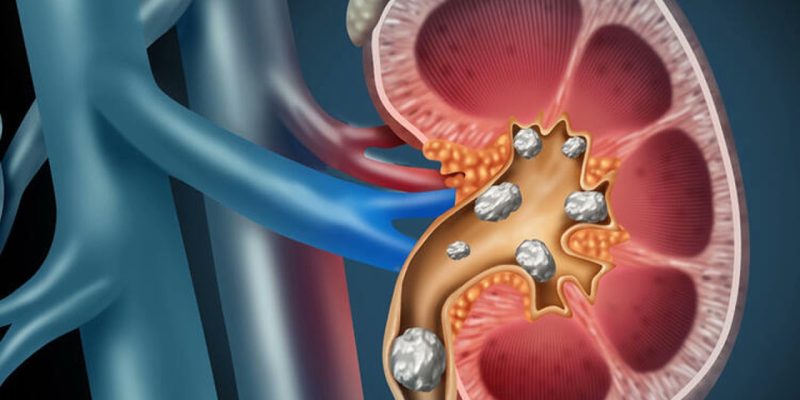
Safe & Advanced Kidney Stone Removal Care
Kidney stone removal is provided with careful assessment and responsible decision-making, guaranteeing that every patient receives the best possible medical or surgical care. The method encourages transparency, open and honest direction, & consistent care throughout the course of treatment, with an emphasis on safety, accuracy, and patient comfort, along with individualized treatment planning based on clinical evaluation and regular follow-up support to ensure smooth recovery and sustained urinary health & long-term kidney protection.
Treatments Procedure
- PCNL: Percutaneous nephrolithotomy is an option when kidney stones are too big to pass naturally or do not respond to other therapies. In order to ensure safe healing and controlled risks, this meticulously executed procedure usually takes three to four hours, followed by a monitored recovery period of two to four weeks.
- URS : Ureteroscopy makes it possible to assess and treat problems with the urinary tract. Stones in the ureter can be surgically treated using one of two specialized methodologies; the most appropriate course of treatment can vary depending on the precise position, measurement, and physical characteristics of the stone.
- RIRS : Retrograde Intrarenal Surgery is provided as a minimally invasive treatment for kidney stones, accessing the kidney without performing any incisions, using a flexible ureteroscope. Laser energy is applied to carefully break stones, which leads to a reduced sensation, fewer complications, and shorter recovery times.
- Cystolithotomy : Cystolithotomy is offered for the removal of large or multiple bladder stones when less invasive methods are not suitable. This surgical procedure involves carefully opening the bladder to safely extract stones, ensuring effective relief while maintaining patient safety and structured postoperative recovery care.
- PCCL : Percutaneous Cystolitholapaxy (PCCL) is offered as a minimally invasive option for large or complex bladder stones. Through a small lower abdominal incision, direct bladder access allows careful fragmentation and removal using specialized instruments, ensuring effective stone clearance with controlled recovery.
Why is it needed
- When stones increase in size over time.
- When stones obstruct normal urine flow.
- When kidney function is at risk due to blockage.
- When stones cause persistent pain or discomfort.
- When repeated urinary infections occur due to stones.
When treatment is advised
- When there is blood in the urine.
- When stones fail to pass naturally.
- When medications do not relieve symptoms.
- When severe pain episodes become frequent.
- When imaging shows a significant obstruction.
How it is managed
- Through careful clinical evaluation and imaging.
- Ensuring safe removal or fragmentation of stones.
- Using minimally invasive techniques when required.
- With structured post-procedure monitoring and follow-up.
- By choosing appropriate medical or surgical management.
Treatments Procedure
Contact Info
- Prakruti Clinics, L-44 8/2, Ridge Road, Raghuji Nagar, Opposite Mahakalkar Bhawan, Nagpur, Maharashtra 440024
- prajwal725@gmail.com
- +91 7397890888
About Us
Dr. Prajwal V. Mahatme is a qualified Urologist passionate towards offering honest and accountable urological care. Since 2018, he has continued providing clinical services to patients in Nagpur, Raipur, and Mumbai.
Location
© 2026 Design With  By DGW